Platforms
Halo ITSM

Practical ITSM
Implemented fast, adopted well, and easy to run.

Halo is a strong option when you need ITSM that's effective without becoming heavy. IKC helps you implement Halo with clear process standards, service catalogue structure, SLA discipline, and operational governance—so it works from day one and stays usable.

Launch quickly with a clear ITSM foundation
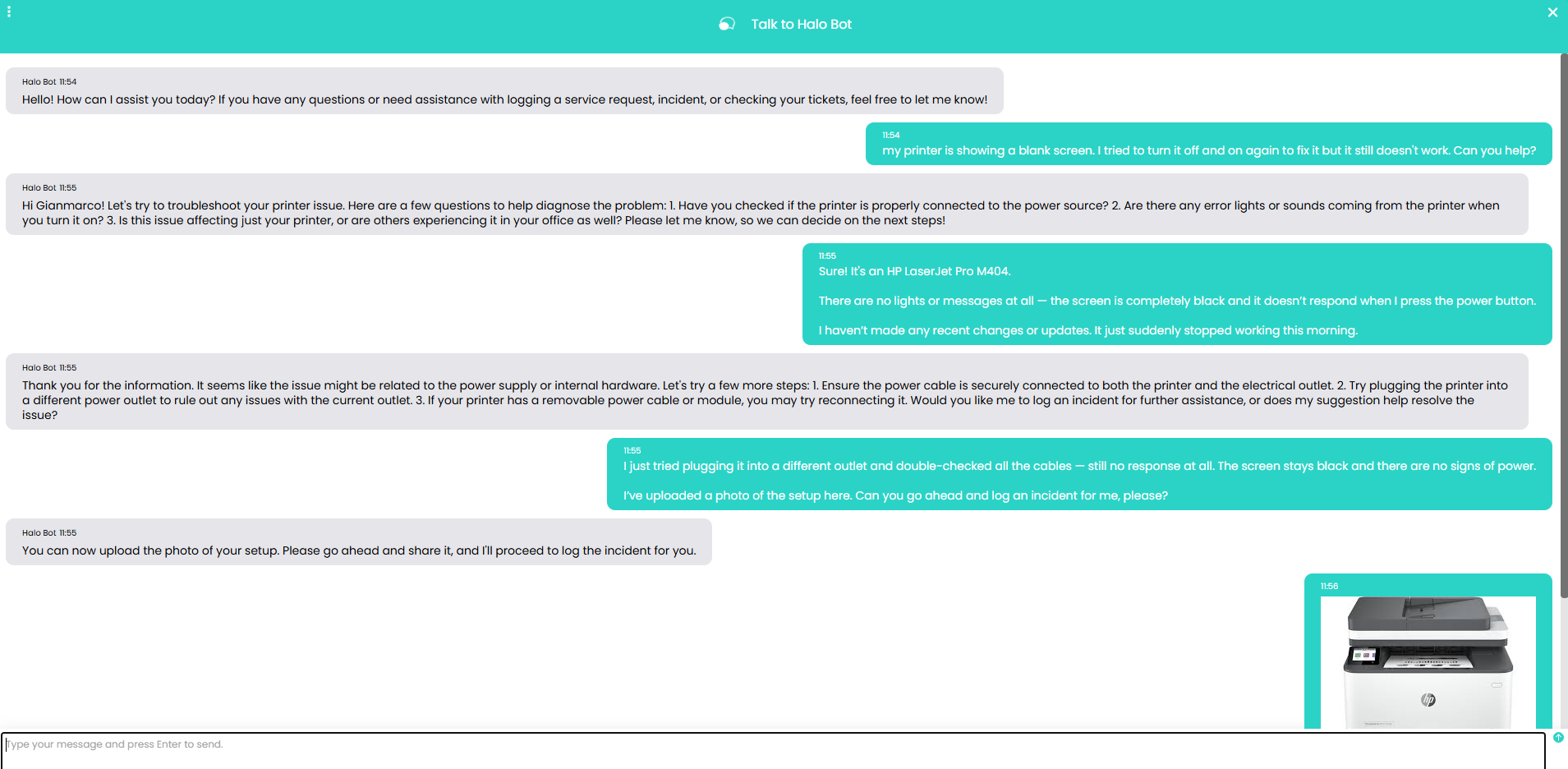
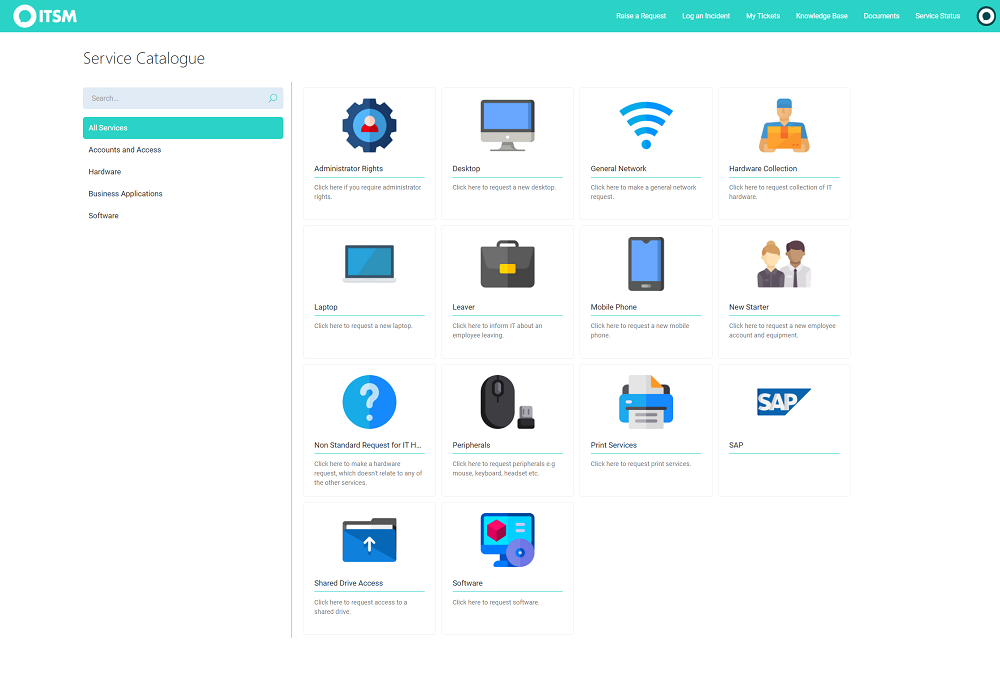
Improve user experience with catalogue-driven intake and visibility
Run consistently with SLAs, routing, reporting, and operational routines

When Halo is the right platform

Quick rollout and adoption

You need ITSM that can be rolled out quickly and adopted easily

Clean service experience

You want a clean service experience: intake, tracking, and communication

Lightweight operational discipline

You want operational discipline (SLAs, escalation, reporting) without heavy overhead

Scalable service desk

You're building a scalable service desk and want a platform that stays manageable

Integration-ready ITSM

You want a practical ITSM layer that can integrate with other systems over time

ITSM that runs in real operations

Service Catalogue & Request Management

Define services and request types, standardise forms, approvals, and fulfillment flows

Incident Management

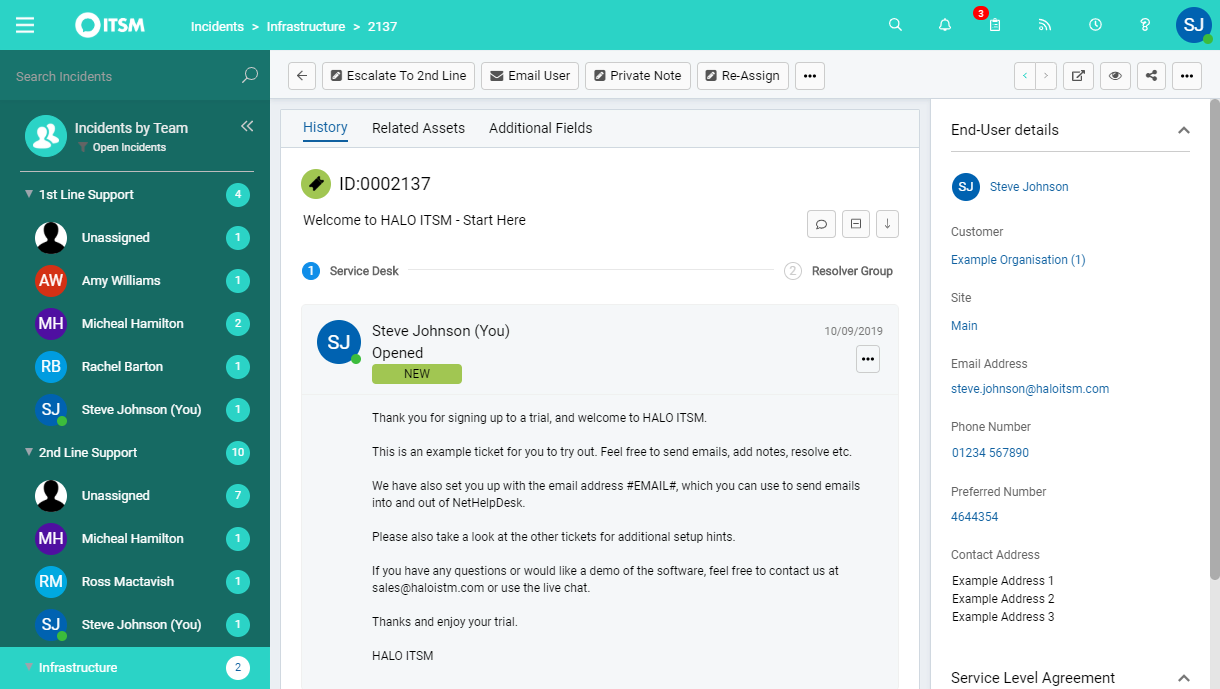
Categorisation, routing, assignment, escalation, and communication standards

SLA / Priority / Escalation

Clear priority model and targets, plus exception handling and escalation paths

Knowledge & Self-service Foundations

Practical knowledge structure to reduce repeat questions and improve resolution speed

Reporting & Operational Governance

Dashboards that support operations and continuous improvement routines

Integration (as needed)

Connect key systems (email, collaboration tools, HR/IAM, asset data sources) to reduce manual work

Fast rollout
without skipping the operating model

01

Discover & Align

  • Confirm scope, service owners, operating roles (RACI), and success metrics
  • Define what to standardise now vs. what to phase
02

Design the Foundation

  • Catalogue structure, taxonomy, priority model, SLAs, and escalation rules
  • Roles/permissions (RBAC) and communication standards
03

Build & Test

  • Configure catalogue items, workflows, notifications, dashboards
  • Test normal + exception scenarios (including escalation and SLA handling)
04

Adopt & Operate

  • Enable service desk users and admins with runbooks and training
  • Establish a simple operational cadence (reviews, backlog, improvement loop)
05

Improve & Expand

  • Expand catalogue coverage, refine SLAs, and introduce automation/integration as needed
  • Mature reporting and governance as adoption grows

Practical outcomes
Focused on adoption and consistency

Clearer service experience

for users: where to request, what to expect, and status visibility

Consistent operations

with routing, SLAs, and escalation discipline

Faster resolution

through better intake, knowledge foundations, and standard workflows

Manageable platform

that can grow with your needs without becoming overly complex

Common Use Cases on Halo

01

Service desk rollout

Service desk rollout with a clean portal and catalogue-based intake

02

SLA-based operations

SLA-based operations with consistent priority and escalation

03

Standardised request fulfillment

(access, equipment, common services)

04

Incident handling

Incident handling with templates and structured communications

05

Performance dashboards

Dashboards for service desk performance and continuous improvement

Frequently Asked Questions (FAQ)

A. The fastest way to avoid chaos is to standardise a small set of fundamentals first, then expand in phases. With HaloITSM, we typically start by shaping the Self-Service Portal and Service Catalogue so users can request the right things in the right way, and by setting up SLA groups with automated escalation rules so response and resolution do not rely on individual effort. Once these foundations are consistent, you can move quickly because requests, routing, and communications become repeatable rather than reinvented each time.

A. Adoption usually improves when users can find the right request quickly, get status visibility, and self-serve answers. HaloITSM's portal is designed for users to raise tickets and find solutions via knowledge articles, and it also promotes virtual agent capabilities to reduce response times and improve the support experience. In practice, this works best when the catalogue and knowledge structure are simple and consistent from the start.

A. HaloITSM includes SLA management that supports multiple SLA groups, priorities, and timings, with automated escalation rules and notification workflows. This helps shift SLA performance from individual heroics to a predictable system of standards and escalation.

A. Yes. HaloITSM is available as cloud or on premise. We will confirm your requirements upfront and plan the environment, identity access, and operational support model accordingly.

Explore More

Related Solutions

ITSM

IT service management excellence

Automation

Streamline workflows efficiently

Integration

Connect systems seamlessly

Other Platforms

ServiceNow

ServiceNow

Enterprise workflow platform

Workato

Workato

Integration & automation

OutSystems

OutSystems

Low-code development

Get in touch

Tell us about your project and how we can help